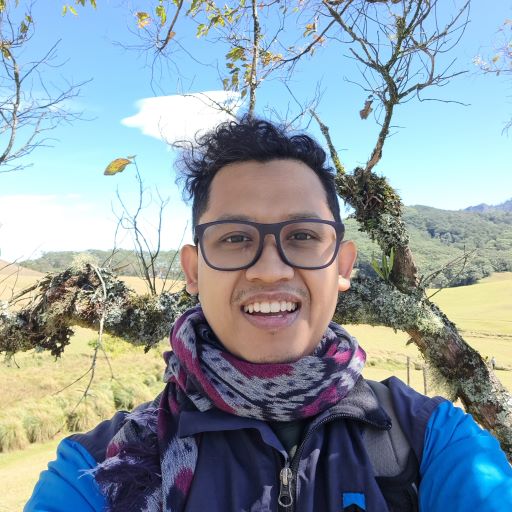
Hello! I’m Sadd Hussein, a Geospatial Data Scientist and Environmental Data Strategist who uses data to solve environmental problems.
With over ten years of experience in geospatial analysis, remote sensing, and wildlife conservation, I’ve seen how powerful data can be in making a real difference.
My Mission
Data-driven decision-making drives environmental sustainability.
Environmental issues are complex, and solving them requires looking at the bigger picture.
My background in geography taught me that everything in the environment is interconnected. This is why multistakeholder and multidisciplinary action is essential.
Data is the bridge that connects these diverse perspectives, creating solutions that benefit both people and the planet.
Geospatial Data Science
With a decade of experience in GIS, remote sensing, and cartography, I’ve had the privilege of working with a diverse range of geospatial data.
From analyzing satellite imagery to utilizing cutting-edge software like ArcGIS, eCognition Developer, and ENVI, as well as mastering open-source tools like QGIS, R programming, and Google Earth Engine, I’ve honed my skills in geospatial data analysis.
In addition to my technical expertise, I have extensive experience in data visualization and cartography, translating complex geospatial insights into compelling maps that effectively communicate with a range of audiences—from public awareness campaigns to technical reports for policy-makers.
Another essential aspect of my career has been training others in GIS and remote sensing. Through workshops, mentoring, and tailored training programs, I’ve helped individuals and teams acquire critical geospatial analysis skills, empowering them to harness the potential of spatial data in their work.
Wildlife Conservation
Since 2016, I’ve been fortunate enough to contribute my expertise to a non-profit organization focused on wildlife conservation.
Over the past few years, I’ve immersed myself in the realm of ecological modeling and species distribution analysis, using statistical techniques and the versatile R programming language.
Through this work, I’ve gained valuable insights into protected area patrol data, biodiversity monitoring, and human-wildlife conflict data, collected since 2008.
My work spans ecological modeling, land cover classification, and human-wildlife conflict mapping, supporting conservation efforts with data-driven insights.
For example, I use advanced modeling techniques to predict species distributions, map deforestation and agricultural expansion, and identify human-wildlife conflict hotspots. These insights are essential for informed decision-making in conservation and environmental planning.
My Data Career
Data has been central to my career since I first began as a GIS and Spatial Analyst.
In 2019, I was entrusted to lead the Data Unit in my organization, marking a pivotal moment in my professional journey.
Starting as a data analyst, I evolved into a data scientist and steadily gained trust in leadership roles. This growth fueled my understanding of the power and potential of data within an organization.
Over time, I’ve expanded my role from analyst to data strategist. Now, I focus on designing comprehensive data strategies that align with broader organizational goals.
My role centers on ensuring that data is not only accurately collected but also effectively transformed into insights that drive meaningful environmental action.
In my current position, I lead a team that translates raw data into actionable insights, guiding our initiatives in strategic environmental planning and conservation efforts.
The knowledge and experience I’ve gained in building data strategies and establishing a data team within a non-profit environmental organization are something I aim to mainstream and share widely, helping others harness the power of data for positive environmental impact.
Let’s Connect
If my story resonates with you, or if you’re interested in collaborating, I’d love to hear from you! Whether you’re looking for strategic consultation, research collaboration, or simply want to chat about geospatial science and conservation, feel free to reach out.