Terrain Analysis in GIS: Slope, Aspect, Curvature, Hillshade, and TWI Explained
Learn terrain analysis in GIS: slope, aspect, curvature, hillshade, and TWI — what they mean, how they’re calculated, and when to use each one.
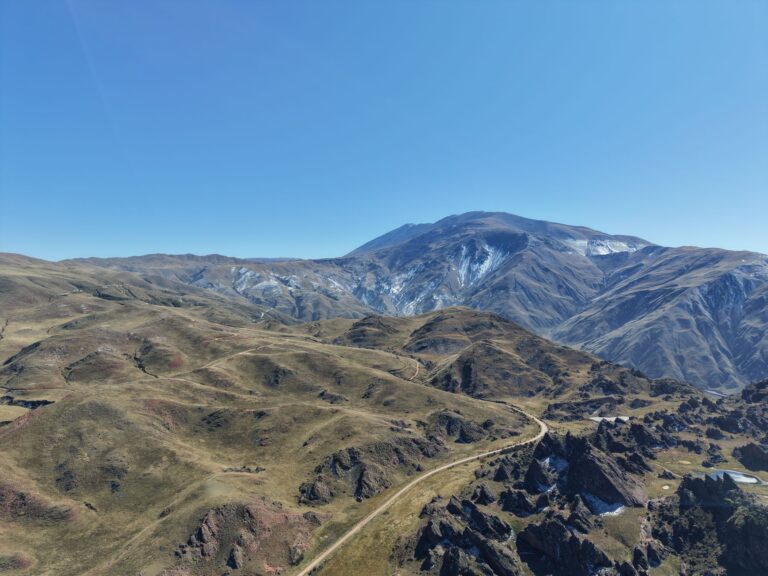
Learn terrain analysis in GIS: slope, aspect, curvature, hillshade, and TWI — what they mean, how they’re calculated, and when to use each one.
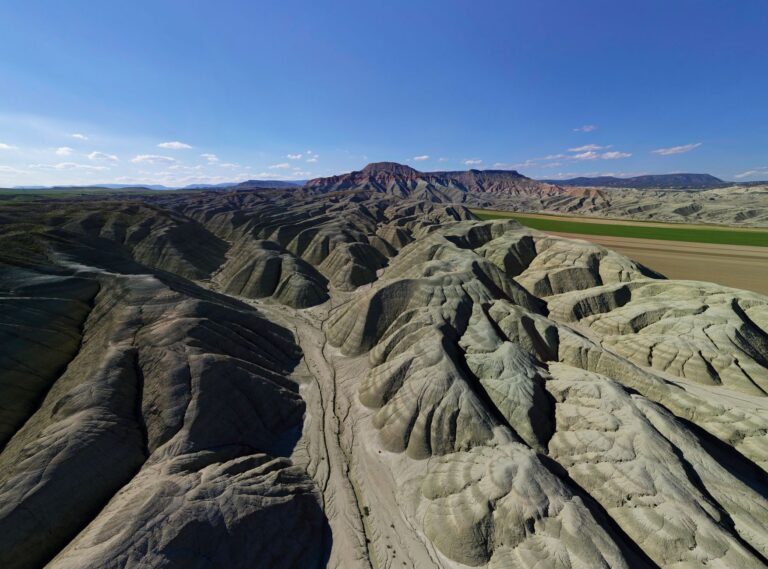
Learn what a digital elevation model is in GIS, the difference between DEM, DSM, DTM, and nDSM, data sources, resolution, and how to choose the right one.

Most GIS analysts can answer “where” with confidence. Point a query at a dataset and the answer comes back clean. But introduce elevation and suddenly the workflow stalls. The question shifts from “where is it?” to “what does the ground actually look like here?” And that is a fundamentally different kind of analysis. That gap…

Learn what Thiessen polygons are in GIS, how they are constructed, their applications in hydrology and service planning, and their core limitations.

Learn what buffer analysis in GIS is, the four main buffer types, real-world applications, and the critical limitation that misleads analysts.

roximity analysis in GIS measures distance relationships between features. Learn buffer analysis, network distance, cost distance, and when to use each.
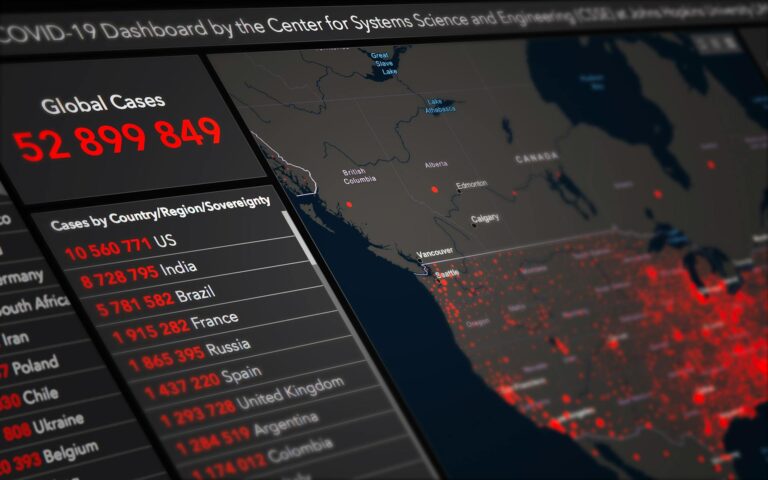
What is overlay analysis in GIS? Learn how vector overlay, raster overlay, and weighted overlay work — with types, examples, applications, and a step-by-step workflow.

What is geospatial analysis? Learn the definition, main methods, tools, and workflow — from overlay and proximity analysis to spatial statistics and 3D modeling.

Did you know that the design of a map can make or break how well you understand complex spatial data? A well-designed map doesn’t just look good. It communicates information clearly and effectively, guiding you through patterns and relationships in the data. Map design is the process of planning and arranging elements on a map…

GIS workflow is the backbone of any geographic information analysis, guiding you through each critical phase—from identifying the problem to making informed decisions. It starts with identifying the problem and defining the analysis objectives, followed by determining the data and methods.